







Slow running is a form of exercise known for its simplicity and many health benefits. Though it is sometimes thought of as a less thrilling option than a conventional run and sprint, slow running has its advantages and pleasures. It is a method that focuses on mental toughness, endurance, and a closer bond with the running experience. Unlike the high-intensity, speed-focused method, slow running emphasises a sustainable pace that permits greater attention to form, breathing, and the surrounding environment.
This approach lowers the chance of injury while also opening up running to a larger spectrum of fitness levels. Several people find that slow running becomes a contemplative and meditative sport that allows them to enjoy the journey more than the final destination with each stride. Read along to learn what slow running is called, its benefits, whether it burns fat, myths associated with it, and more about slow running.
Table Of Contents
1. What Is Slow Running Called?
2. 7 Slow Running Benefits
3. Slow Running Vs Fast Running
4. Does Slow Running Burn Fat?
5. What Is Slow Fast Running?
6. Common Myths About Slow Running
7. Expert Advice
8. The Final Say
9. FAQs
What Is Slow Running Called?
Slow running is often called “jogging”. Jogging means running slowly and relaxedly, usually less than 6 miles per hour (9.7 kilometres per hour is the ideal slow running speed). The main goal of jogging is not to speed up but to increase heart rate and endurance and enjoy the feeling of running.
Slow running puts the body in an aerobic zone, meaning it can use oxygen to produce energy. This pace makes running easier for beginners and is helpful for experienced runners looking for a low-impact workout. Active runners can focus on the proper form by moderating the session and enjoy the physical and mental health benefits without the stress of running faster.
Also Read: 4 Best Warm-Up Exercises Before Running To Prep You Like A Pro!
7 Slow Running Benefits
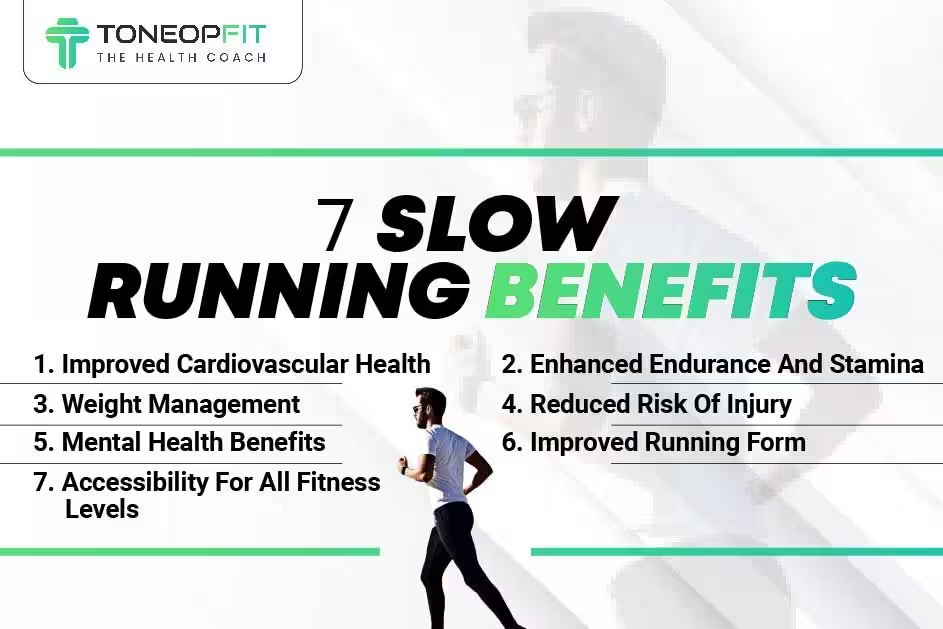
Let’s have a look at some slow-running benefits to maximise your fitness gains:
1. Improved Cardiovascular Health
Slow running improves cardiovascular health by increasing your heart rate and blood circulation without overworking your heart. This regular exercise strengthens the heart muscle, increases the elasticity of blood vessels, and lowers the risk of cardiovascular diseases such as high blood pressure, stroke, and heart disease.
2. Enhanced Endurance And Stamina
Slow running increases endurance by training the body to support long-term physical activity. This running form also increases energy use and helps improve aerobic fitness, allowing runners to run for longer periods without tiring.
3. Weight Management
Slow running is a great way to burn calories and maintain your weight. While it doesn't burn as many calories per minute as jogging, its stability allows for longer workouts, burning more calories over time. Slow running and a healthy diet can help you reach and maintain your body weight.
4. Reduced Risk Of Injury
High-intensity running can often lead to injuries due to the stress on joints and muscles. Running slowly reduces the risk of injury by slowing down and allowing the muscles and joints to adapt. This makes it safer for beginners and those with a history of running injuries.
5. Mental Health Benefits
Slow running exercise and mental health go hand in hand, and it has been proven that this method is beneficial for cognitive and emotional enhancement. This happens because slow running encourages the body's natural emotional neurotransmitter, endorphins, to be released, lessening stress, anxiety, and despair. Running also helps people maintain their awareness and mental clarity, thus protecting their mental health from daily stress.
6. Improved Running Form
Running slower allows for a better focus on form and technique. This includes physical activity, footwork, and breathing that can lead to increased speed. Improved form reduces the risk of injury and improves overall performance.
7. Accessibility For All Fitness Levels
Slow running is inclusive and suitable for people of all fitness levels. Beginners can start with slow running to build a base, while experienced exercisers can use it as a recovery tool or to increase mileage without overtraining.
Also Read: 10 Proven Methods And Foods To Increase Stamina For Running With Tips For Enhancing Endurance!
Slow Running Vs Fast Running
The major differences between slow running and fast running can be stated as:
| Aspect | Slow Running (Jogging) | Fast Running (Sprinting) |
| Pace | Slower, conversational pace | Faster, high-intensity pace |
| Heart Rate | 60-70% of maximum heart rate (aerobic zone) | 80-90% of maximum heart rate (anaerobic zone) |
| Primary Energy Source | Fat (aerobic metabolism) | Glycogen (anaerobic metabolism) |
| Calories Burned | Moderate, sustained over more extended periods | High, over shorter periods |
| Duration | Longer sessions (30 minutes to several hours) | Shorter sessions (seconds to a few minutes) |
| Muscle Engagement | Primarily endurance muscles (slow-twitch fibres) | Power and speed muscles (fast-twitch fibres) |
| Injury Risk | Lower, due to reduced impact and intensity | Higher, due to increased stress and intensity |
| Recovery Time | Shorter recovery needed | Longer recovery needed |
| Benefits | Cardiovascular health, fat burning, mental well-being | Speed, power, muscle building, cardiovascular health |
| Accessibility | Suitable for all fitness levels | More suitable for advanced or well-conditioned runners |
| Training Focus | Building endurance, maintaining fitness | Improving speed, power, and performance |
| Examples of Use | Long-distance running, marathons, general fitness | Sprinting, interval training, competitive sports. |
Does Slow Running Burn Fat?
Yes, running can effectively burn fat. When you run, your body mostly uses aerobic metabolism and relies on oxygen to convert stored fat into energy. This technique is helpful during low-intensity activities like running because your body can sustain fat-burning for a long time. Jogging typically keeps your heart rate at 60-70% of your maximum heart rate, called fat burning.
Exercising in this zone increases your body’s ability to burn fat. Additionally, running slower will help improve your overall metabolism, meaning you’ll burn more calories even at rest. Running can lead to weight management and weight loss when combined with a healthy diet.
Also Read: Unlock The Best Exercises For Losing Weight Quickly And A 7-Day Workout Plan!
What Is Slow Fast Running?
Often called interval training or fartlek training, slow running combines slow and fast running. This process improves cardiovascular and running performance by alternating between different speeds. During the slow period, the body recovers and prepares for the next fast pace, challenging the aerobic and anaerobic systems. Fast intervals increase heart rate and muscle tone, while slow intervals promote recovery.
From a scientific perspective, this method can speed up metabolism, increase energy, and improve overall speed and strength. Interval training effectively burns calories and fat because it creates a more significant afterburn effect (excess energy expenditure or EPOC), allowing the body to burn calories after exercise. This approach suits all fitness levels and can be modified to suit individual goals.
Common Myths About Slow Running
Some common myths about slow running are:
1. Slow Running is Only for Beginners
While running is great for beginners, it can also be suitable for experienced athletes. Many elite athletes incorporate running into their training to improve endurance, recovery, and overall performance. Jogging is an important tool for running at all levels.
2. Slow Running Doesn’t Burn Enough Calories
Although slow running doesn't burn as many calories per minute as fast running, its consistency allows for longer, more calorie-burning workouts. Jogging is good for weight management and weight loss over time.
3. Slow Running Is Boring
Slow running provides time for awareness, exploration, and enjoyment of your surroundings. Vary your route and run in nature, or listen to music or podcasts that will keep you entertained. Running can also lead to mental relaxation and stress reduction.
4. You Must Run Fast To Improve
Slow running is important for building a strong aerobic base, which is the foundation of running. Running can improve your aerobic capacity, build endurance, and allow you to perform better in sprints and races. It adds speed training and high intensity.
5. Slow Running is Not Real Exercise
Jogging is a legitimate form of exercise that has many health benefits. It improves cardiovascular health, increases endurance, helps with weight control, and reduces stress. Incorporating exercise into your routine can lead to overall health and well-being.
Expert’s Advice
I recommend incorporating running into your fitness routine because it has many benefits. Slow running helps burn fat, improve the cardiovascular system, and increase strength. To boost your fitness, focus on a healthy diet rich in whole grains, lean protein, saturated fat, and plenty of fruits and vegetables.
Drinking water before, during, and after your run is significant. Also, consider eating a small carbohydrate-rich snack before walking to provide energy for exercise and a snack afterwards with plenty of protein to help with muscles. A healthy diet and exercise will produce the best results.
Health Expert
Akshata Gandevikar
The Final Say
Slow running is a versatile and beneficial exercise suitable for people of all fitness levels. It has many health benefits, including improving cardiovascular health, increasing endurance, managing weight, reducing the risk of injury, and improving mental health.
You can enjoy the many benefits of running by focusing on proper technique and incorporating practical techniques. Whether you are a beginner looking to start your fitness journey or a seasoned athlete looking to step up your training, running can be an important addition to your daily routine. Slow down, enjoy meditation, and reap the long-term benefits of this form of exercise.
FAQs
1. Is slow running for beginners beneficial?
Yes, slow running can be very beneficial for beginners. It allows them to gradually build endurance and strength without putting too much stress on their body. Slow running is a great way for beginners to get into running and develop a consistent routine.
2. What are some long, slow-running benefits?
Some long duration slow running benefits are:
- Improved endurance and lung capacity
- Increased stamina and strength
- Better mental clarity
- Stress reduction
- Weight management
3. Is slow running for weight loss effective?
Indeed, slow-paced running can be beneficial for losing weight. It gradually burns calories for extended periods, aiding in the establishment of a calorie deficit essential for fat loss.
4. Can we run slow to run fast?
Indeed, moving at a slower pace can improve your speed. Adding slow jogging to your workouts helps develop a solid aerobic foundation, enhancing endurance and efficiency. This base enables improved performance in quicker runs by boosting your cardiovascular system's capacity and recovery.
References
- https://www.livestrong.com/article/540164-do-you-burn-more-fat-running-fast-or-slow/
- https://www.runnersworld.co.za/training/6-awesome-benefits-of-slow-running/
- https://advice.decathlon.ca/slow-running-why-its-good-for-you
- https://health.clevelandclinic.org/slow-running
About ToneOp Fit
ToneOp Fit is a platform dedicated to improving and maintaining good health through a comprehensive range of goal-oriented health plans with up to 3 Coach support. With a range of Weight Management, Medical Condition, Detox Plans, and Face Yoga Plans, the app also provides premium health trackers, recipes and health content. Get customised diet, fitness, naturopathy & yoga plans and transform yourself with ToneOp.