







Coronary artery disease (CAD) is a serious condition where the heart's arteries become narrowed, restricting blood flow to the heart and ultimately causing chest pain, breathlessness, and heart attacks. Notably, in India, CAD affects about 10% of urban and 5% of rural people and is a leading cause of death. Risk factors include heightened blood pressure, cholesterol, diabetes, excess body fat, smoking, and inactivity, worsened by rapid urbanisation and diet changes. While medication is required, exercise for coronary artery disease is recommended, as physical activity helps in managing CAD.
But what kind of coronary heart disease exercise is best? Is running safe? Can weightlifting help? How intense is the best exercise for heart disease? Let's discuss and understand the benefits of the best exercises for coronary artery disease to find the suitable workout for you!
Table Of Contents
1. 5 Best Exercises For Coronary Artery Disease
2. Which Is The Best Exercise For Coronary Artery Disease?
3. What Is The Best Exercise To Unclog Arteries?
4. How Does Exercise Help Coronary Artery Disease?
5. Expert’s Advice
6. The Final Say
7. FAQs
8. References
5 Best Exercises For Coronary Artery Disease
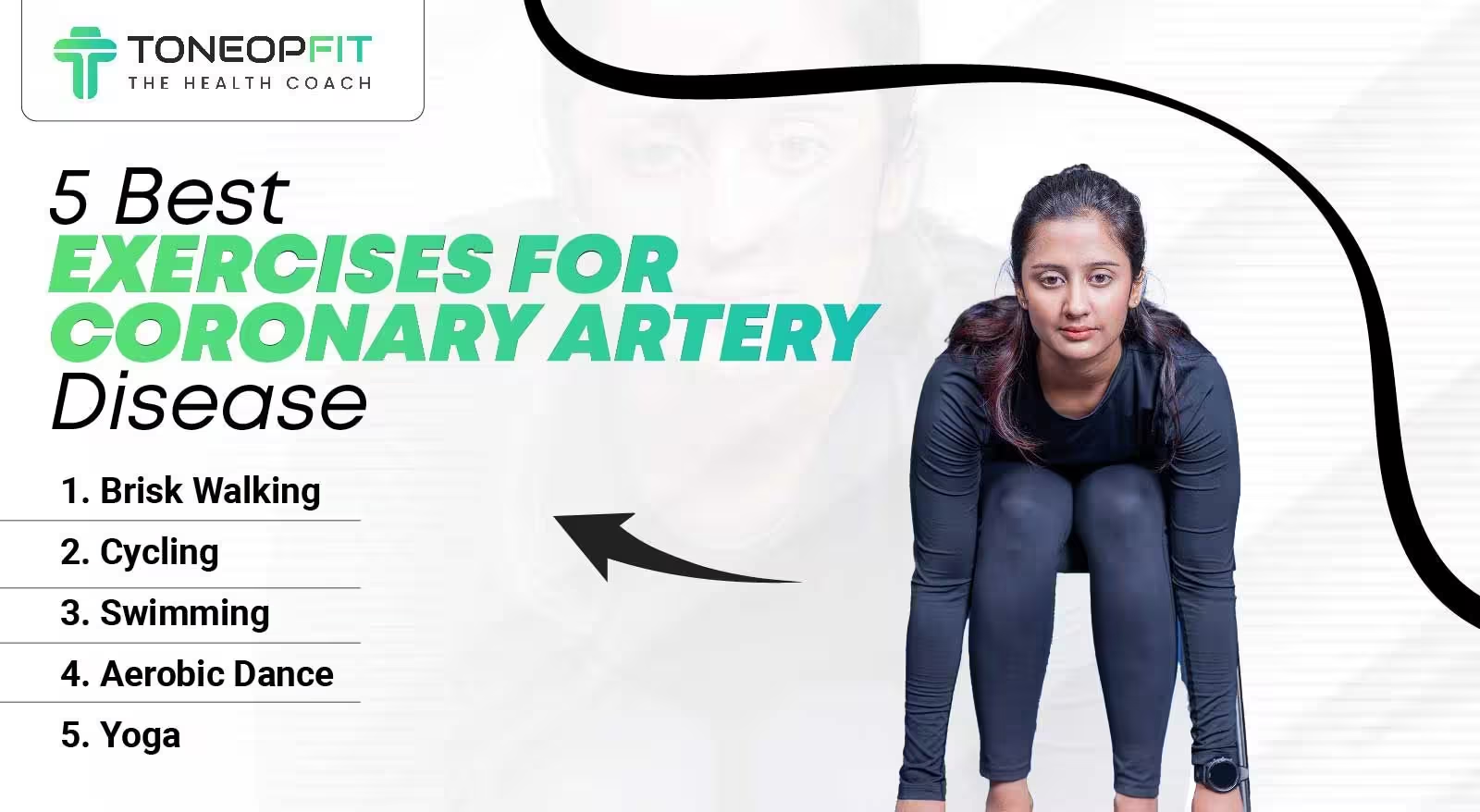
Let’s explore these five exercises for coronary artery disease (CAD) to improve and manage your heart health:
1. Brisk Walking
This cardiovascular exercise is easy on the joints and suitable for all fitness levels. It boosts heart functioning by improving blood circulation and lowering blood pressure and cholesterol levels. The benefits of brisk walking daily can also help with a healthy weight and improve your overall mood. Aim for at least 30 minutes a day, most days of the week, to get the most benefits. For an added challenge, incorporate varied terrains like hills or stairs, and use proper walking shoes to support your feet and joints.
Steps To Perform This Exercise For Coronary Artery Disease:
1. Wear comfortable walking shoes and clothing.
2. Start with a warm-up by walking slowly for 5 minutes.
3. Increase your pace to a brisk walk where you can still talk but not sing.
4. Maintain this pace for the desired duration.
5. Cool down by walking slowly for another 5 minutes and then stretch.
2. Cycling
It is a fantastic way to enhance cardiovascular fitness, strengthen leg muscles, and build stamina. It is gentle on your joints, making it a good choice for those with arthritis or other joint issues. Whether you prefer using a stationary bike indoors or cycling outside, this exercise can significantly improve your heart health and overall endurance. Start with 20-30 minutes, 3 times a week, and slowly increase the duration and cycling intensity as your fitness improves.
Steps To Perform This Exercise For Coronary Artery Disease:
1. Adjust your bike to fit your height and comfort.
2. Start with a warm-up by pedalling slowly for 5 minutes.
3. Increase your speed and resistance to a moderate level where you feel your heart rate rise.
4. Maintain this intensity for the desired duration.
5. Cool down by reducing the resistance and pedalling slowly for 5 minutes, then stretching.
3. Swimming
It provides a full-body workout session that strengthens your heart and lungs without stressing your joints. It is particularly beneficial for boosting cardiovascular endurance and muscle tone while being gentle on the body to improve flexibility and coordination. Start with gentle laps for 20-30 minutes, 2-3 times a week, and gradually increase your swimming time. Consider joining aqua aerobics classes for a varied workout that includes resistance training in the water.
Steps To Perform This Exercise For Coronary Artery Disease:
1. Choose a swimming style you are comfortable with, like freestyle, breaststroke, or backstroke.
2. Warm up with gentle swimming for 5-10 minutes.
3. Swim steadily, focusing on your breathing and technique.
4. Alternate between different strokes to work for various muscle groups.
5. Cool down by swimming slowly for 5-10 minutes and then stretch.
Also Read: Water Walking And Exercise Routines For Health
4. Aerobic Dance
Aerobic dance, such as Zumba, is a fun way to combine cardiovascular exercise with rhythmic movements. It helps improve heart health, coordination, and mood, making it an enjoyable way to stay active. Aerobic dance can also be a social activity, providing opportunities to meet new people. Start with 20-30 minute sessions, 2-3 times a week, and gradually move to longer, more intense workouts as you build your stamina plus confidence.
Steps To Perform This Exercise For Coronary Artery Disease:
1. Find a class or online video that suits your fitness level.
2. Start with a warm-up to prepare your body for the workout.
3. Follow the instructor's movements, focusing on keeping your heart rate elevated.
4. Modify movements as needed to suit your fitness level and avoid injury.
5. Cool down with gentle movements and stretching.
5. Yoga
Yoga improves heart health by reducing stress, increasing flexibility, and promoting better blood circulation. Certain poses can strengthen your heart and overall cardiovascular function, while deep breathing exercises can help lower blood pressure and enhance relaxation. Focus on gentle yoga styles like Hatha or restorative yoga, which are less intense and more focused on relaxation and stretching. Incorporate 30-60 minutes of yoga, 2-3 times a week, to reap the full benefits.
Steps To Perform This Exercise For Coronary Artery Disease:
1. Choose a quiet, comfortable space for your practice.
2. Begin with a few minutes of deep breathing to centre yourself.
3. Follow a gentle sequence of poses, such as child’s pose, cat-cow stretch, and seated forward bend.
4. Hold each pose for several breaths, focusing on your alignment and breathing.
5. Finish with a relaxation pose like Savasana, lying on your back with eyes closed for 5-10 minutes.
Also Read: 7 Best Yoga For Stress Management And Its Instant Benefits!
Which Is The Best Exercise For Coronary Artery Disease?
The best exercise for coronary artery disease often involves a combination of effective aerobic, strength, and flexibility activities. You can start with low-intensity activities, gradually increasing the intensity, and always consult with a fitness coach to ensure safety and personalised plans as per health needs.
Consider these exercises and try which is the most suitable for CVD:
Type of exercise | Inclusions |
Aerobic Exercise |
|
Strength Training |
|
Flexibility and balance exercises |
|
Also Read: 8 Cardio-Boosting Exercises for Heart Health - ToneOpFit
What Is The Best Exercise To Unclog Arteries?
Staying active can significantly lower the chance of coronary heart disease (CHD). For men, higher levels of physical activity are bound to a 21 per cent lower chance of CHD events; for women, the reduction is greater at 29 per cent. Being more fit lowers the risk of death and reduces cardiovascular disease complications.
Think of activities like brisk walking, jogging, cycling, or swimming as your heart’s cleanup crew. These aerobic exercises are fantastic for clearing out clogged arteries and boosting heart health. When you get your heart pumping with these exercises, you get a good workout and help your blood flow more easily through your arteries.
This helps wash away harmful substances that can build up and create plaques in your arteries. Regular aerobic exercise lowers bad cholesterol levels and raises the good kind, making it easier for your body to clear out excess fats. Plus, it helps your blood vessels stay flexible and relaxed, which makes your heart’s job easier.
Also Read: 8 Ways To Amp Up Fitness Motivation And Tips
How Does Exercise Help Coronary Artery Disease? 7 Benefits
Note these essential benefits of exercise for coronary artery disease, which positively impacts metabolism and cardiovascular health through several mechanisms:
1. Improves Lipid Profile
- Reduces Bad Cholesterol (LDL): Physical exercise helps reduce LDL, also called ‘bad cholesterol,’ which causes plaque formation in arteries. This occurs because exercise enhances the enzyme activity that transports LDL from the blood to the liver, where it is metabolised and eliminated.
- Increases Good Cholesterol (HDL): Exercise boosts high-density lipoprotein (HDL) or ‘good’ cholesterol levels. HDL cholesterol aids in removing LDL cholesterol from the bloodstream and transferring it to the liver for elimination. Higher levels of HDL lower the risk of atherosclerosis or hardening of the arteries.
2. Enhances Blood Circulation
- Increases Blood Flow: The mechanical stress from exercise causes vasodilation, increasing the diameter of blood vessels. This enhances the oxygen delivery and nutrients to cells, reducing the risk of blood clots forming in coronary arteries.
- Improves Endothelial Function: Exercise improves the function of the endothelial cells lining blood vessels. Aerobic activity increases the production of nitric oxide, which helps blood vessels dilate and reduces inflammation. Enhanced endothelial function also allows blood vessels to better adjust to changes in blood flow.
3. Lowers Blood Pressure
- Lowers Blood Pressure: Exercise reduces both systolic and diastolic blood pressure. It improves heart function, meaning the heart pumps blood with less effort, decreasing the pressure on arteries. Additionally, exercise reduces peripheral blood vessel resistance, aiding blood pressure reduction.
- Positive Changes in Endothelial Function: Improved endothelial function, weight loss, and decreased stress levels all contribute to better blood pressure regulation during exercise, reducing the risk of hypertension, a leading cause of cardiovascular disease.
Also Read: Top 20 Effective Muscle Toning Workouts For Beginners
4. Controls Blood Sugar Levels
- Enhances Insulin Sensitivity: Exercise improves the body’s insulin response, the hormone known for blood sugar regulation. During exercise, muscle cells uptake glucose independent of insulin, allowing better blood sugar control and reduced diabetes risk.
- Prevents Insulin Resistance: Physical activity counteracts the insulin resistance that can develop with ageing, raising blood sugar levels. Avoiding insulin resistance is crucial, as it is a major risk factor for type 2 diabetes and CAD.
5. Promotes Weight Management
- Burns Calories: Exercise helps burn calories, aiding in weight management. Obesity increases the heart's workload and the risk of metabolic syndrome, a cluster of conditions that raise heart disease risk.
- Reduces Visceral Fat: Exercise helps reduce visceral fat around organs, particularly in the abdomen. Unlike subcutaneous fat, visceral fat in your body is metabolically active and linked to higher risks of coronary disease and insulin resistance. Reducing visceral fat lowers the risk of metabolic syndrome and cardiovascular disease.
Also Read: Best Cardio For Weight Loss And Fat Loss Exercises
6. Reduces Inflammation
- Decreases Inflammatory Markers: Exercise reduces levels of inflammatory markers in the blood, such as known C-reactive protein (CRP) and interleukin-6 (IL-6). Chronic inflammation causes excessive development and progression of atherosclerosis. By reducing inflammation, exercise helps prevent plaque formation in arteries and slows the progression of existing plaques.
7. Improves Heart Muscle Function
- Strengthens the Heart: Regular exercise strengthens the heart muscle by increasing the size and efficiency of cardiac cells. A stronger heart can pump more blood with each beat, reducing overall workload and improving function.
- Increases Stroke Volume: Exercise increases stroke volume, the amount of healthy blood pumped by the heart in a single contraction. Higher stroke volume increases cardiac output, delivering more oxygen and nutrients to tissues, improving overall heart health and reducing the heart failure risk.
Expert’s Advice
I advise people with coronary artery disease (CAD) to engage in physical exercises. Watching your heart health through proper aerobic exercise can go a long way in enhancing blood flow and decreasing blood pressure. Incorporation of some forms of strength training and exercises like yoga into the routine may assist in building the muscles of general fitness and lower stress. Consistency is essential here, and when it is complemented with the right diet, the results are enticing.
Health Expert
Aditi Upadhyay
The Final Say
Therefore, exercise as a factor can significantly help in the prevention, management, and improvement of CAD. Aerobic activities like brisk walking, cycling, swimming, aerobic dance, and yoga help improve cardiovascular health by increasing blood circulation, reducing high blood pressure, cutting on bad Cholesterol and good control of weight. If these exercises are prioritised, then people with CAD reduce their threat to heart complications and see considerable changes in health for a normal, healthy life.
FAQs
1. What are the preferred exercise routines for managing coronary artery disease?
Aerobic exercises like brisk walking, swimming sessions, cycling, and water aerobics are recommended. Strength training can also be beneficial and recommended, but it should be done under expert supervision.
2. How are exercise and coronary heart disease related?
Regular exercise helps strengthen the heart's functioning, improve blood circulation, lower bad blood pressure readings, and reduce stress, all of which are beneficial for managing coronary artery disease.
3. How to know which coronary artery disease and exercise pattern is suitable?
Always consult your doctor to determine the best exercise plan for your condition. Your doctor will consider factors like the severity of your disease, other health conditions, and your fitness level. Generally, a combination of aerobic exercises, such as walking or cycling, is recommended, starting at a low intensity and gradually increasing as tolerated.
4. What are the exercises to avoid coronary heart disease?
High-intensity workouts, competitive sports, and activities that involve heavy lifting or straining should generally be avoided.
5. Can I do exercise after coronary bypass surgery?
Yes, exercise is crucial for recovery and managing heart health post-surgery. However, start gradually and follow your doctor's recommendations. A cardiac rehabilitation program recommendation can be very helpful during recovery.
6. What are heart disease and exercise guidelines?
The American Heart Association and other organisations offer guidelines on exercise for people with heart disease. These guidelines typically recommend at least 150 minutes of moderate-intensity exercise per week.
7. What are the 5 best exercises to strengthen your heart?
While there isn't a definitive list of "5 best" exercises, focusing on aerobic activities that elevate your heart rate for sustained periods is generally recommended. Examples include:
- Brisk walking
- Swimming
- Cycling
- Dancing
- Rowing
References
- Physical Activity in the Prevention and Treatment of Coronary Artery Disease | Journal of the American Heart Association (ahajournals.org)
- Exercise in the Management of Coronary Artery Disease - PMC (nih.gov)
- Effects of Exercise Training and Physical Activity in Patients with Coronary Artery Disease - Sudhindra Vooturi, Potharaju Anil, Yazala Monica, 2023 (sagepub.com)
- Exercise Volume vs. Intensity and Coronary Atherosclerosis Progression - American College of Cardiology (acc.org)
About ToneOp Fit
ToneOp Fit is a platform dedicated to improving and maintaining good health through a comprehensive range of goal-oriented health plans with up to 3 Coach support. With a range of Weight Management, Medical Condition, Detox Plans, and Face Yoga Plans, the app also provides premium health trackers, recipes and health content. Get customised diet, fitness, naturopathy & yoga plans and transform yourself with ToneOp.